Why has paisley become an evergreen element in scarf design?
-
July 9, 2025
-
By: Rose Woman Scarf
-
766
Introduction: A pattern’s thousand-year fashion dominance
Paisley is one of the most enduring patterns in the fashion world. From the European aristocracy in the 18th century to the street fashion brands in the 21st century, it has never been out of fashion. Why can this seemingly complex vortex pattern become the “evergreen” of scarf design? Why has paisley become an evergreen element in scarf design?
Paisley is a rare pattern that can symbolize luxury and rebellion at the same time. —Susan Meller, author of Textile Designs
Phenomenon comparison:
- Polka dot pattern: Popular cycle is about 10 years
- Animal pattern: Re-emerges every 20 years
- Paisley pattern: Continued popularity for more than 200 years

Historical origin: From Kashmir to Scottish town
Persian origin (3rd century AD)
- The prototype is the “Tree of Life” pattern of the Sassanid Dynasty of Iran, symbolizing eternity (British Museum Persian Art Archive)
- Evolved into the “Boteh” pattern on Kashmir shawls during the Empire period
European craze (18th-19th century)
- The East India Company brought it back to Europe, and Napoleon’s wife Queen Josephine owned 400 Paisley shawls
- The town of Paisley in Scotland became the center of European imitation, and the cost reduction made it possible for the middle class to own it (V&A Museum)
Key turning point: The mass production of Jacquard looms in 1860 made complex patterns popular
At this point in history, I think you should know what pattern the town of Paisley in the UK intends to promote. Of course, it is the mysterious Indian pattern that is popular in the entire European upper class! It should be said that Paisley’s imitation is very successful. They did not simply copy it, but also improved this pattern to make it more beautiful and suitable for the European market.

Design advantage: Scientific explanation of its lasting charm
Visual comfort (Golden Ratio Hypnosis)
- The vortex curve conforms to the 1:1.618 golden ratio (Design Geometry, by Kimberly Elam)
- Neuroscience verification: The human brain processes such curves 0.3 seconds faster than straight lines (MIT Vision Lab 2019)
Color inclusiveness
- Background color + pattern dual variable design:
- Dark blue + gold = luxury (Hermès classic)
- Pink + green = girlish feeling (ZARA 2023 Spring and Summer Series)
Scaling adaptability
Large patterns are luxurious, small patterns are exquisite, suitable for different sizes of scarves (Fashion Institute of Technology analysis)
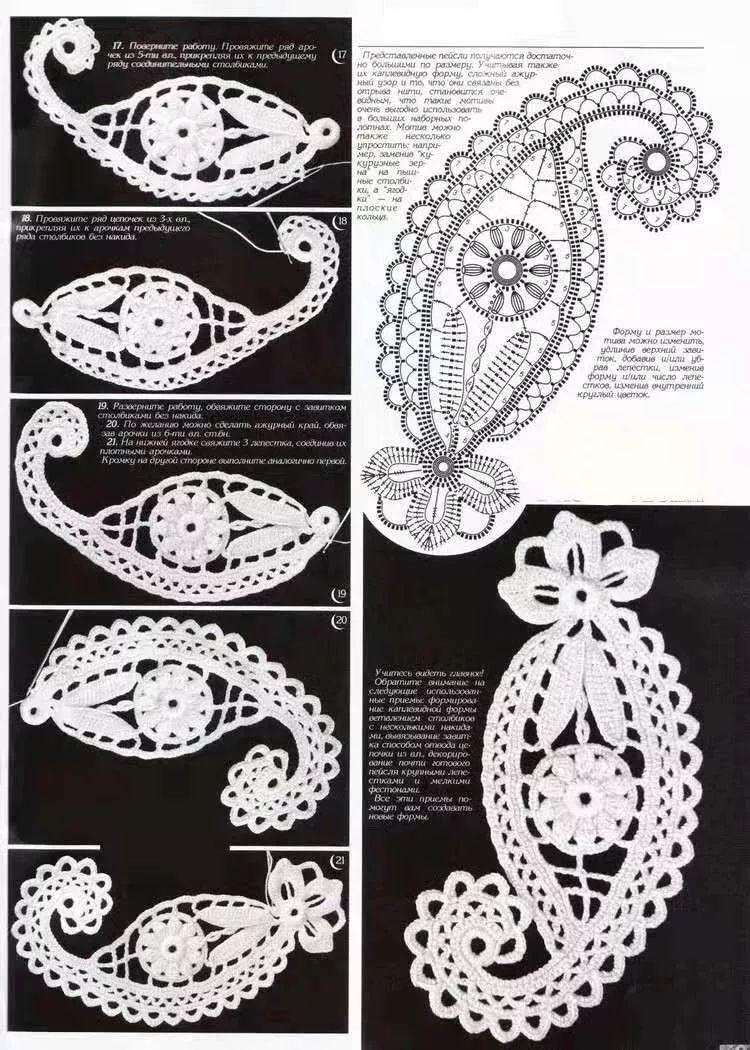
- Magnification effect: Patterns over 10cm are luxurious
- Miniature magic: 3cm mini paisley creates a low-key texture

Brand case: Different ways of playing between luxury brands and fast fashion
Paisley scarves account for 34% of luxury scarf sales (McKinsey 2022 report)
Hermès (1937-pConclusionresent)
- The most famous model “Brides de Gala” contains micro paisley patterns
- Craftsmanship: Each square scarf requires 2 years of design + 6 months of hand-rolled edges (Hermès workshop documentary)
Etro (1968-present)
Brand DNA = Paisley pattern, the co-branded model with “Dune” in 2023 was hyped up to $2000+
Uniqlo (2019 co-branded)
Using digital printing to reduce costs, the price of $19.9 still retains the essence of the pattern
Case:
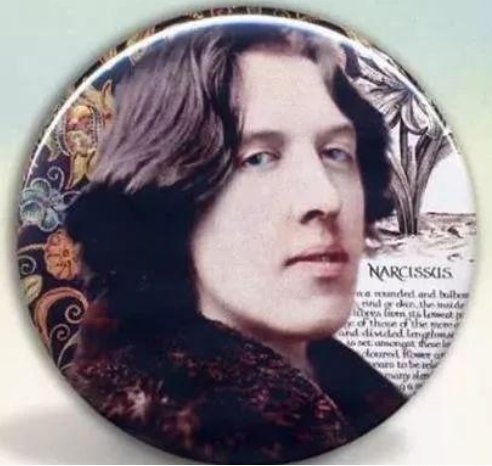
- Oscar Wilde (October 16, 1854 – November 30, 1900), a famous Irish writer and artist, liked to wear silk paisley prints. He said, “A person is either a work of art or he wears art on his body.” This shows the profound artistic influence of paisley patterns. Later, it became a representative cultural element of the hippie movement in the 1960s.
- Fender Guitars, an electric guitar company that made its fortune in the 1970s, launched a pink paisley guitar at the right time.Then this wave of popularity continued until the 1980s, when Prince, a heavyweight in the pop music scene, released a single called Paisley Park, which was later included in his album. The name of the album directly used the name of the song. Later, Prince’s studio was also called Paisley Park.
Today, Paisley is once again popular with the preference of brands such as Saint Laurent, Burberry, Gucci, and Dolce & Gabbana. It should be said that the history of the Paisley pattern is long and its spread is so widespread that the Paisley pattern can be seen almost everywhere.
Psychological analysis: Why are we obsessed with vortices?
Why has paisley become an evergreen element in scarf design?
Driven by mystery
Asymmetrical patterns stimulate the desire to explore (Solomon, “Consumer Behavior”)
Nostalgia effect
Cognitive imprints of spirals (such as fingerprints, swirls) in infancy (neuroesthetics research)
Identity recognition tool
- 18th century: European aristocrats used silk paisley to show their status
- 2020s: Generation Z uses vintage paisley to show their taste
Scientists scan and find:
- Shell threads, galaxy swirls, human face ratios… all meet 1:1.618
- Every curve of the paisley pattern is a golden ratio repeater
“The brain will automatically set off fireworks when it sees this kind of pattern” – Emma Lester, professor of neuroaesthetics

Conclusion
Psychologists say that this spiral pattern reminds us of our mother’s curly hair and ice cream swirls, and it has a warm filter. And it is neither too fancy nor too boring, perfectly hitting the modern people’s small thoughts of “wanting to be special but not too exaggerated”.
The next time you tie a paisley scarf, you are actually participating in a fashion conversation that spans 200 years. The reason why this ancient pattern is still popular today is that it understands that true fashion is not about being different, but about allowing everyone to find their own way of expression.
Leave a comment